
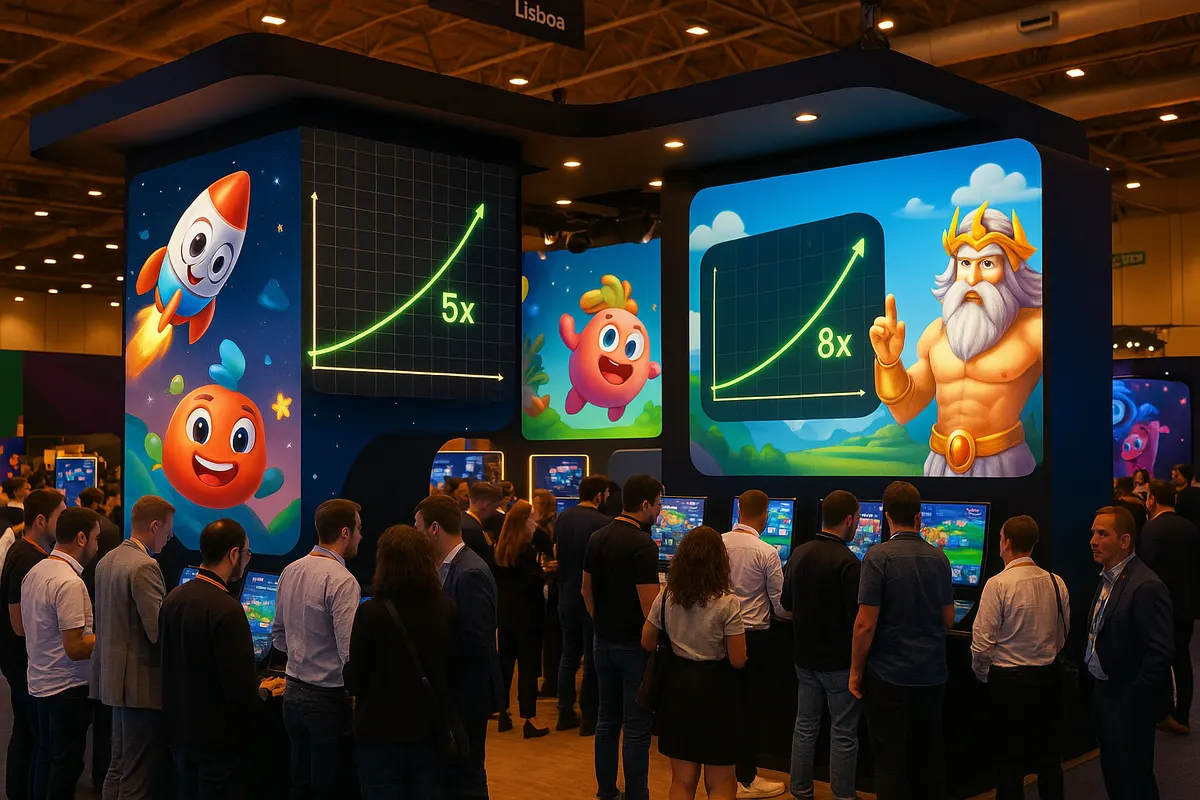
Picture 4pm on the Lisbon exhibition floor. The aisles are still thick with lanyards, someone’s coffee has gone cold on a demo terminal, and a small crowd has formed at stand C219 because two names are about to be read out and one of them walks away with a PlayStation 5. That’s the scene Galaxsys built around its SBC Summit 2026 appearance, and behind the giveaway sits the part that actually matters: a fresh run of Galaxsys new games aimed squarely at the crash and instant-win corner of the market.
Here’s what the provider is showing, what it tells you about where instant gaming is going, and how much of it should change anything for you.
What is Galaxsys actually showing in Lisbon?
Galaxsys is presenting its latest releases and a preview of upcoming titles at SBC Summit 2026, which runs in Lisbon from 29 September to 1 October. The studio is at stand C219, and the showcase covers both games already in its portfolio and a look ahead at what’s coming next.
Four titles are named: Olympian Legends, Tower Rush, Infinity and Chicken Crash. Galaxsys hasn’t published a public breakdown of which of those are live with operators today and which are still in the pipeline, so treat the list as a lineup rather than a release calendar. If you want mechanics, maths and specs, the stand is where that detail lives this week.
The giveaway is the loud part. Visitors can enter a raffle for a PlayStation 5 or an iPhone 18 Pro Max, with draws at 16:00 on both 29 and 30 September, two winners selected each day, four winners in total, announced at stand C219. It’s a classic trade-show footfall play, and it works: prize draws are one of the cheapest ways to get operators to stand still long enough to watch a demo loop.
Why does a four-game lineup tell you anything?
Because of what the names signal. Olympian Legends points at Greek mythology, a theme that has been reliable in iGaming for years. Tower Rush suggests a climb-and-cash-out structure. Infinity reads as an endless-progression concept. Chicken Crash is a crash game with a mascot, and mascot-led crash titles have been one of the most copied formats in the category since the genre went mainstream.
That mix says something straightforward about the instant segment right now: studios are competing on theme, character and session feel rather than on inventing new maths. The core loop in a crash game has barely changed. What changes is the wrapper, the sound design, the social layer and how fast you can place the next bet.
For operators browsing stand C219, that’s the real question they’re asking. Not “is this new?” but “will this sit alongside the three crash games I already have without cannibalising them?” Instant games earn their place in a lobby through short rounds, low entry stakes and mobile-first layouts that work on a phone in one hand.
How do crash and instant win games actually work?
A crash game runs a multiplier that starts at 1.00× and climbs until it crashes at a randomly determined point. You place a stake before the round, then choose when to cash out. Cash out at 2.00× and you get twice your stake back. Let the round crash before you cash out and the stake is gone. Most versions include an auto cash-out setting so you can pre-set a multiplier instead of relying on your thumb.
Instant win games are the broader family: single-outcome, fast-resolving titles with no reels to spin through. Mines-style grids, plinko variants, dice and tower-climb games all sit here. Rounds often resolve in seconds, which is exactly why they need to be treated with more care than a slot, not less.
Three things worth being clear about:
- Outcomes are random and independent. An RNG decides each round. A string of early crashes tells you nothing about the next one, and there is no pattern to read. Anyone selling you a crash “system” is selling you nothing.
- The house edge is built in. Published RTP on crash and instant titles is typically in the mid-90s, meaning a few percent of every wager is the operator’s long-run margin. RTP is a long-run average across millions of rounds, not a session forecast.
- Some crash games are provably fair. That’s a cryptographic setup using server and client seeds so you can verify a round wasn’t tampered with after the fact. Worth knowing it verifies fairness of the outcome, not favourable odds.
What does this mean in practice if you play these games?
Very little changes today. SBC Summit is a B2B event, so nothing on display at stand C219 lands in your account because of the show. These games reach you later, when operators sign content deals and add titles to their instant or crash tab. If Galaxsys titles appear in a lobby you use, you’ll usually see them grouped under “Crash”, “Instant” or “Arcade”.
When they do show up, the sensible routine is the same one you’d use for any new release:
- Open the game info panel and read the stated RTP and volatility before you stake anything real.
- Play the demo if one exists, purely to learn the cash-out interface. Fumbling the button costs real money in a live round.
- Set an auto cash-out level and a loss limit before you start, not after a bad run.
- Check whether the operator counts crash and instant games toward bonus wagering. Game weighting varies, and instant titles are often weighted lower than slots or excluded entirely.
That last point catches people out regularly. A 30× wagering requirement on a ₹1,000 bonus means ₹30,000 of turnover, and if your favourite crash game contributes 10% rather than 100%, you’re nowhere near where you think you are.
Where is instant gaming heading after this?
The honest read on a lineup like this one is that the category is maturing into a branding contest. The maths is settled, the format is understood, and the differentiator is whether a game has a character players remember and a cash-out rhythm that feels good on a phone. Expect more mythology, more mascots, more crossover between crash timing and grid-based instant mechanics, and more pressure on studios to ship frequently rather than ship something structurally new.
For the industry, shows like SBC Summit are where that gets tested in person. A looping video can make any crash game look exciting. Thirty seconds on a demo terminal tells an operator whether the pacing actually holds up.
One closing note that belongs in any piece about fast games: crash and instant titles compress a lot of decisions into very little time, which makes them easy to overplay. Use deposit and session limits, treat the money as entertainment spend rather than a way to make money, and if it stops being fun, use the cool-off and self-exclusion tools your operator is required to provide. Help is available through national problem gambling services if you need it.