
In a meeting room at Fiera Roma, somebody is choosing your next game lobby
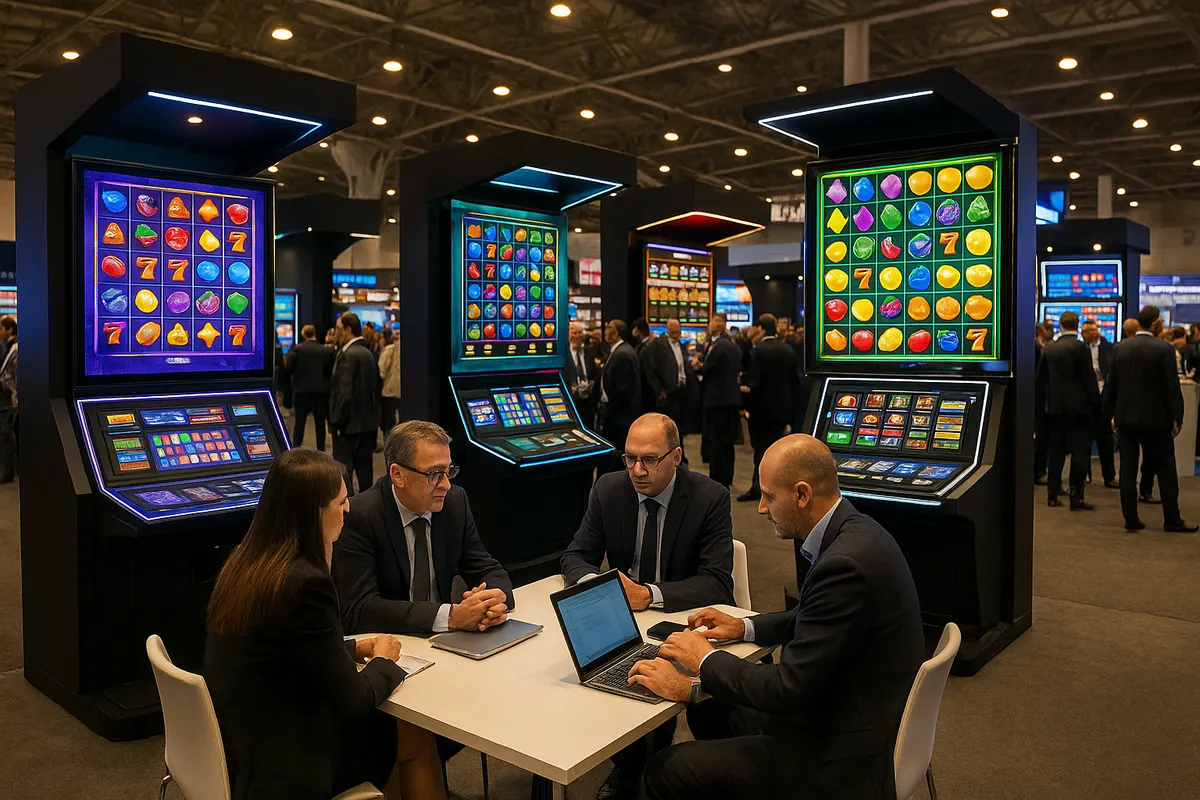
Between 2 and 5 November, inside the halls of Fiera Roma, operators will sit across tables from suppliers and decide which games, which bonus mechanics and which betting models show up in their products next year. The Timeless Tech product strategy on show at SiGMA World 2026 is a neat case study in how those conversations now run: one aggregator feed, one promotions layer, one alternative betting model, all pitched as discussion starters rather than a catalogue flick-through. That sounds like supplier marketing. It is also, more or less, how your casino lobby gets built.
My argument is simple. Players treat expo news as industry noise, something for the B2B crowd. It isn’t. A gaming expo is where the shape of your account, from how many slots you can scroll through to whether your free bet comes with a 30x rollover, gets negotiated months before you see it.
What Timeless Tech is actually putting on the table
Three connected areas, according to the company’s own event preview: content distribution, player engagement mechanics, and an alternative sports betting revenue model. Stripped of the pitch language, that means an aggregator, a bonus engine, and a betting exchange.
| Product | What it does | Where a player notices it |
|---|---|---|
| Game Aggregator | 17,000+ games from 140+ providers through a single unified API, covering slots, live casino, crash games and other formats | Lobby size and variety, how quickly new titles appear, which studios are missing in your jurisdiction |
| Bonus Engine | Configurable tournaments, race mechanics, Drop & Wins style events, progressive and mystery jackpots | Leaderboards, prize drops, jackpot tickers, and the terms attached to all of them |
| BetExchange | Peer-to-peer wagering with back-and-lay functionality and commission-based revenue | Betting against other users instead of a bookmaker, commission on net winnings, liquidity on your market |
65 regulators in the room changes the sales pitch
SiGMA announced on 19 September that 65 regulators and regulatory representatives are expected at the Rome summit, under the theme “Advancing Regulated Gaming”. That number matters more than it looks.
When the regulatory agenda sits in the same building as the commercial one, the first question in a supplier meeting stops being “how many games have you got” and becomes “which of these games can I legally run in which market, and what does deployment require”. Content licensing differs country by country. Some jurisdictions restrict bonus mechanics outright, cap stakes, or ban certain promotional formats. An aggregator with 140+ providers is only as useful as the subset you can actually switch on.
That is the real reason a supplier frames its strategy as three “connected areas for discussion” instead of a price list. Compliance questions have moved from the end of the conversation to the front of it.
Why 17,000 games is the least interesting number in the story
Scale is the easiest thing to advertise and the hardest thing to make useful. Nobody scrolls 17,000 games. Past a few thousand titles, the differentiator is curation, search, and how fast the operator can promote the right game to the right player, not raw volume.
Two things a single-integration aggregator genuinely changes for the end user:
- Speed of refresh. One API means a new title from a new studio can go live without a fresh technical integration each time. In practice, that’s why lobbies now turn over far faster than they did five years ago.
- Format mix. Crash games sitting alongside slots and live casino in the same feed is why the “aviator-style” category appeared in mainstream lobbies so quickly. Aggregation distributes a format before most operators have decided whether they like it.
What it does not change is the maths. RTP and volatility are set by the game studio, not by the aggregator or the operator. A 96% RTP slot carries a 4% house edge in every lobby it appears in, and that figure is a long-run average across millions of spins, not a guide to your session. More games means more choice, not better odds.
The bonus engine is where product strategy and player cost meet
This is the part of any supplier stack I’d read most carefully as a player. Tournaments, prize drops, race mechanics and mystery jackpots are engagement tools, designed to increase how long and how often people play. That’s not a scandal, it’s the stated purpose, and the source material is refreshingly direct about it: the evaluation centres on campaign objectives, permitted mechanics and operational control.
What “operational control” means on your side of the screen is the terms sheet. Before joining any engine-driven promotion, the things that decide whether it is worth your time are:
- Wagering requirement. A 30x requirement on a ₹1,000 bonus means ₹30,000 of turnover before withdrawal. That single multiplier decides most of the value.
- Game weighting. Slots often contribute 100% toward the requirement while table games contribute far less, which can quietly double or triple the effort needed.
- Max bet and max cashout. Per-spin caps while a bonus is active, and ceilings on what you can withdraw from it, are where otherwise generous offers get clipped.
- Sticky or non-sticky. Whether the bonus itself can ever be withdrawn, or only winnings generated from it.
- Leaderboard reality. Tournaments pay a small percentage of participants. Prize pools look large because they are divided among very few.
A configurable engine means these parameters are dials an operator sets per campaign. Same promotion name, different terms at two different brands. Read the specific terms, not the category.
BetExchange: a different revenue model, not a better deal by default
The exchange piece is the most interesting strategic bet here, because it changes where the operator’s money comes from. A traditional sportsbook builds a margin into its prices. An exchange matches users against each other and takes commission.
| Traditional sportsbook | Betting exchange | |
|---|---|---|
| Who you bet against | The bookmaker | Another user (back and lay) |
| Operator revenue | Margin built into the odds | Commission on winnings |
| Main risk to the player experience | Overround reduces value on every price | Thin liquidity means your bet may not match at the size or price you want |
Exchange prices can look sharper because the overround is stripped out, but commission replaces it, and the honest limiter is liquidity. On a Premier League match-odds market, matching is easy. On a lower-tier fixture, a lay bet at your price may simply sit unmatched. That’s why the source frames BetExchange as a separate discussion about positioning and liquidity rather than another content line item. Launching an exchange without enough users on both sides produces a product that technically works and practically doesn’t.
Worth remembering: peer-to-peer does not mean edge-free. Commission applies to net winnings, and you are now trading against other bettors, some of whom are considerably better informed than you.
How to read supplier news like this without the marketing filter
Expo announcements follow a pattern, and once you see it the signal is easy to extract. Volume claims tell you what a supplier wants to be known for. The accompanying caveats tell you what the market actually asks about. In this case, the caveats are infrastructure fit, permitted mechanics and jurisdictional deployment, which is a fair summary of what has been slowing down iGaming product strategy across regulated markets generally.
Three things worth tracking after Rome, as a player or an industry watcher:
- Which studios appear in a brand’s lobby within a quarter or two of these deals, and which quietly disappear when a market tightens.
- Whether bonus mechanics get simpler or more layered. Tournament-plus-jackpot stacking usually means more complex terms, not fewer.
- Whether exchange-style betting reaches markets beyond its established strongholds, because that depends entirely on liquidity, not technology.
FAQ
What is Timeless Tech presenting at SiGMA Rome?
Its Game Aggregator, Bonus Engine and BetExchange, grouped as three connected areas: content distribution, player engagement mechanics and an alternative sports betting revenue model. The company attends SiGMA World 2026 from 2 to 5 November at Fiera Roma.
How big is the Timeless Tech Game Aggregator?
More than 17,000 games from more than 140 providers, delivered through a unified API and covering slots, live casino, crash games and other formats.
Why does SiGMA Rome matter this year?
SiGMA said on 19 September that 65 regulators and regulatory representatives are expected, with the event themed “Advancing Regulated Gaming”. That puts compliance questions directly alongside commercial negotiations.
Do supplier deals at expos change the odds I get?
No. RTP, volatility and house edge are properties of each individual game as built by its studio. Aggregation changes which games you can reach and how quickly new ones arrive, not the underlying maths.
Is a betting exchange better value than a bookmaker?
Sometimes on price, because the bookmaker’s overround is replaced by commission on winnings. But liquidity decides whether you can get matched at all, and you are betting against other users rather than the house.
Gambling carries a built-in house edge and should be treated as paid entertainment, never a way to make money. Set deposit, loss and session limits before you play, use cool-off or self-exclusion tools if play stops feeling optional, and only gamble with money you can afford to lose. Online gambling is for adults of legal age in their jurisdiction.